When a child watches the slide from the sidelines, it’s easy to assume they’re just shy. But sometimes that silence masks a deeper story—one that can be revealed by paying close attention to the subtle clues children give during play. This article dives into the autism signs in children who have difficulty with social interactions in the playground, offering parents, teachers, and caregivers a practical guide to spotting early indicators and fostering inclusive, supportive environments.
Understanding Playground Dynamics
The Social Playground: A Brief Overview
Playgrounds are more than concrete and plastic; they’re miniature social ecosystems where children practice cooperation, negotiation, and empathy. Think of the playground as a bustling marketplace of ideas, where every swing and slide is a chance to trade jokes, share toys, and learn the unwritten rules of interaction.
In this microcosm, children with autism often experience a mismatch between their internal processing and the external demands of the environment. They may feel overwhelmed by sensory input, uncertain about how to respond, or simply prefer solitary exploration over group play.
Why Early Recognition Matters
Spotting autism signs in children who have difficulty with social interactions in the playground can be the difference between a child feeling isolated and one who feels seen. Early recognition leads to timely support, which can dramatically improve confidence, social skills, and overall well‑being.
Recognizing Autism Signs in Children Who Have Difficulty with Social Interactions in the Playground
Common Behavioral Patterns
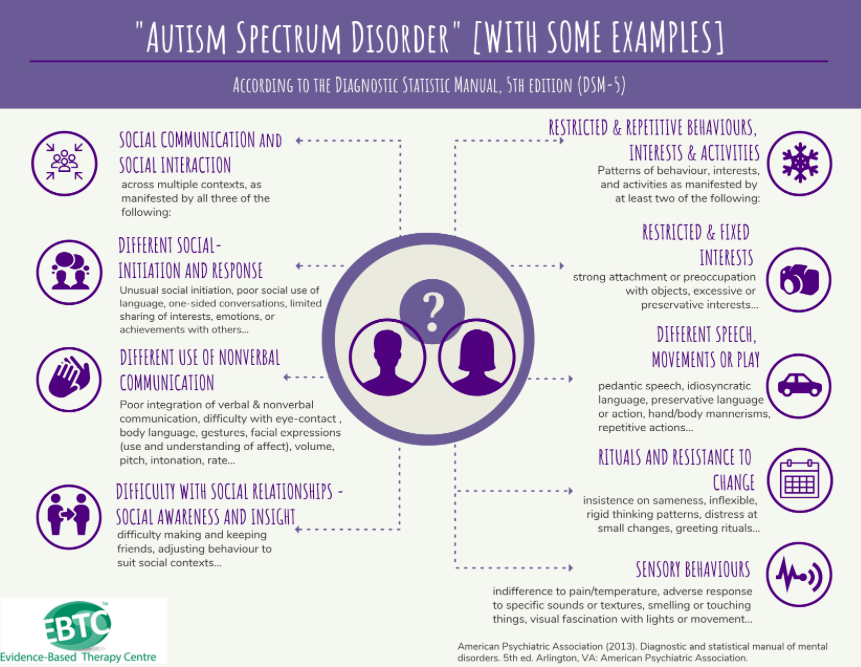
- Avoidance of Eye Contact: Instead of looking at peers, the child may stare at the ground or a toy. Repetitive Movements: Hand‑flapping, rocking, or spinning can appear during play. Fixed Interests: A child might focus intensely on a specific part of the playground—like the maze—ignoring others. Difficulty Initiating Play: They may wait for others to invite them, or rarely respond to invitations.
These behaviors are not definitive proof of autism, but they’re red flags that warrant a closer look, especially when they’re consistent across settings.
Communication Cues
Children who have difficulty with social interactions in the playground often display unique communication styles:

- Literal Interpretation: They may take a joke or figurative language at face value. Delayed Response: There can be a noticeable pause before they answer a question or respond to a comment. Limited Verbal Interaction: Some may speak very little during play, preferring gestures or drawings.
Listening for these cues can help differentiate between a shy child and one who might be experiencing autism.
Early Intervention and Support Strategies
Role of Teachers and Parents
- Create Predictable Routines: A structured schedule reduces anxiety. Use Visual Supports: Picture schedules or social stories can clarify expectations. Model Inclusive Behavior: Demonstrate how to share, take turns, and offer help.
A supportive adult acts as a bridge between the child’s internal world and the external playground dynamics.
Structured Play Activities
- Turn‑Based Games: Games that require waiting for a turn can teach patience. Sensory‑Friendly Zones: Areas with softer lighting or quieter sounds help manage overstimulation. Peer Buddy Systems: Pairing a child with a supportive peer encourages interaction.
These strategies are designed to lower barriers, not to “fix” the child but to create a playground where everyone can thrive.
When to Seek Professional Assessment
Red Flags and Timing
- Consistent Social Withdrawal: Persistent avoidance of peers across multiple settings. Intense Sensory Sensitivities: Overreactions to noise, light, or touch. Developmental Delays: Significant gaps in language or motor skills.
If these signs are present, it’s wise to consult a pediatrician or developmental specialist early.
What to Expect During Evaluation
- Observational Assessments: Professionals observe the child in various contexts, including the playground. Developmental History: Parents provide a timeline of milestones and concerns. Standardized Testing: Tools like the ADOS or Vineland may be used.
The goal is a comprehensive understanding, not a quick fix.
Building Confidence and Social Skills
Peer Inclusion Techniques
- Inclusive Language: Use “we” instead of “you” to promote group identity. Rotating Roles: Encourage the child to take on different positions in a game, fostering flexibility. Positive Reinforcement: Praise efforts, not just successes, to build self‑esteem.
Inclusion is a two‑way street; peers also learn empathy and cooperation.
Encouraging Self‑Advocacy
- Teach Simple Phrases: “I need a break” or “Can we play this together?” empower the child. Use Visual Cues: A card or picture that signals a need can reduce frustration. Celebrate Small Wins: Acknowledge progress, no matter how minor.
When children feel they have a voice, they’re more likely to engage.
The Playground as a Social Jungle Gym: Final Reflections
“People with autism are not a problem; they are a gift.” – Dr. Temple Grandin
This quote reminds us that the challenges children face are not flaws but differences that enrich our communities. By recognizing autism signs in children who have difficulty with social interactions in the playground, we can transform a potentially isolating experience into an opportunity for growth, friendship, and mutual respect.
Anecdote: When I first met Maya, a five‑year‑old who avoided the slide, I noticed she spent hours arranging the plastic animals in perfect order. She later joined a game of “animal kingdom” with her peers, showing that a structured, familiar activity could unlock her social Not showing or sharing objects spark. That moment taught me that every child’s unique rhythm deserves a space to shine.
As we walk the playground path, let’s keep our eyes open for those subtle signs, offer gentle guidance, and create an environment where every child can climb, swing, and laugh—no matter how they navigate the social jungle gym.